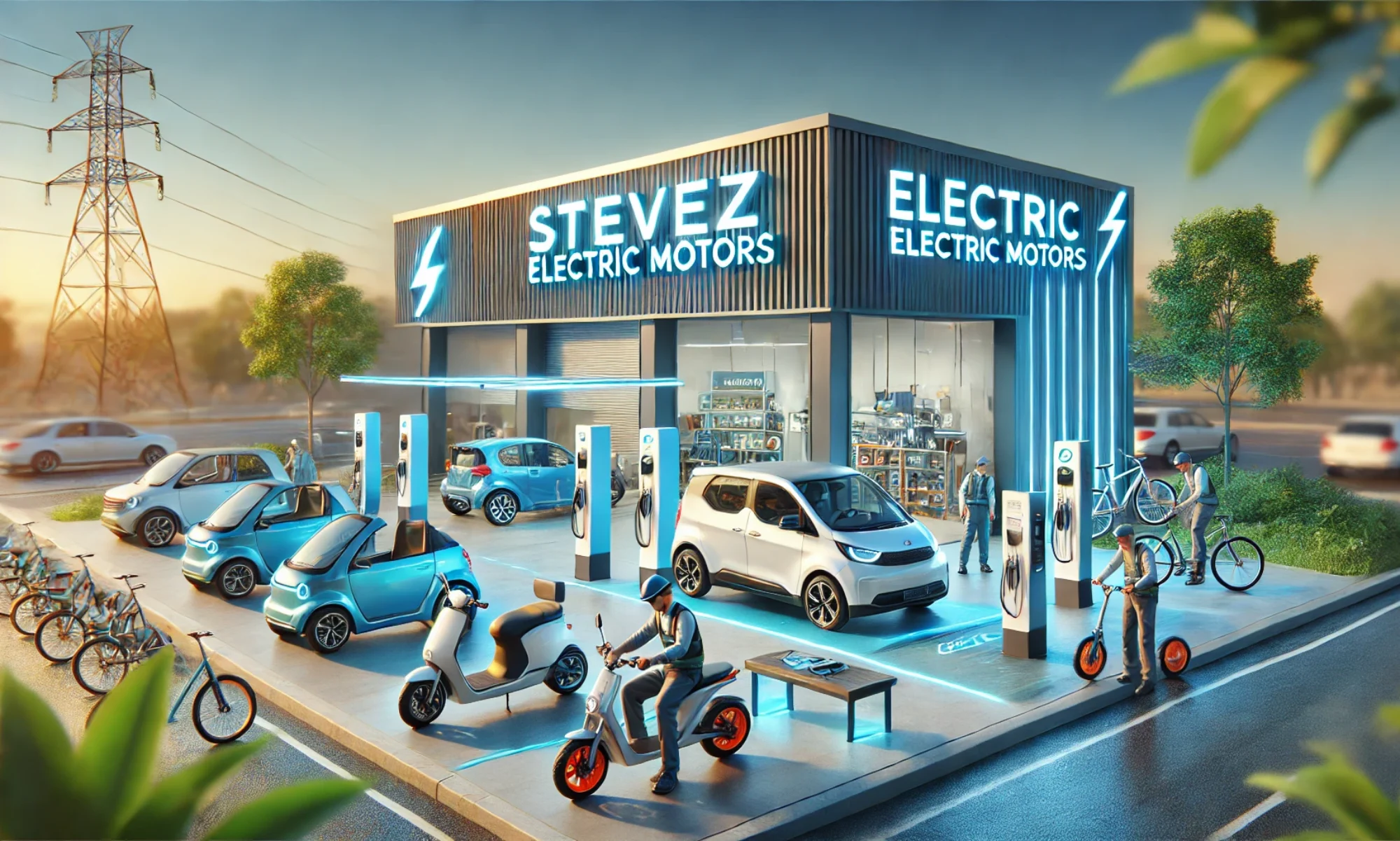
- Global Currents: Navigating the Day’s Developments and Future Trends news today.
- Global Economic Trends and Market Shifts
- Impact of Interest Rate Hikes
- Geopolitical Risks and Global Trade
- Technological Innovation and Disruption
- The Rise of Artificial Intelligence
- Cybersecurity Threats and Data Privacy
- Climate Change and Sustainability
- The Renewable Energy Transition
- Sustainable Agriculture and Food Security
- Social and Political Developments
Global Currents: Navigating the Day’s Developments and Future Trends news today.
The constant flow of information shapes our understanding of the world, impacting everything from financial markets to geopolitical landscapes. Staying informed requires navigating a complex web of sources and discerning credible reporting from misinformation. This is particularly crucial in the current era, where the speed of dissemination often outpaces the verification process. Understanding these currents is essential, and today’s developments often foreshadow future trends; the news today sets the stage for tomorrow’s realities.
Global Economic Trends and Market Shifts
The global economy is currently exhibiting signs of both resilience and vulnerability. Inflation, while moderating in some regions, remains a persistent concern, prompting central banks to maintain a cautious monetary policy. Supply chain disruptions, exacerbated by recent geopolitical events, continue to impact production costs and consumer prices. These factors create uncertainty for businesses and investors alike.
| United States | 2.1% | 3.2% |
| Eurozone | 0.8% | 2.6% |
| China | 4.8% | 0.3% |
| Japan | 1.0% | 2.5% |
Furthermore, the ongoing energy crisis, fueled by geopolitical tensions, is adding to inflationary pressures and threatening economic recovery. Countries are actively seeking alternative energy sources and implementing energy-saving measures to mitigate the impact. The shift towards renewable energy is gaining momentum, driven by both environmental concerns and economic considerations.
Impact of Interest Rate Hikes
Central banks worldwide are employing interest rate hikes as a primary tool to combat inflation. However, these increases have a ripple effect throughout the economy, impacting everything from mortgage rates to corporate borrowing costs. Higher interest rates can cool down economic activity, potentially leading to a recession, but also curbing inflationary pressures. The challenge for policymakers lies in striking a delicate balance between controlling inflation and sustaining economic growth. Furthermore, the effects can be felt across different sectors, influencing things such as housing affordability and investment decisions.
The effectiveness of this monetary tightening is hotly debated, with some economists arguing that it will ultimately be insufficient to tame inflation, while others believe it will eventually bring prices under control, albeit at the cost of economic slowdown. The timing and magnitude of these rate hikes are carefully calibrated, taking into account the unique economic conditions of each country.
Geopolitical Risks and Global Trade
Geopolitical instabilities continues to cast a shadow over the global economy. Conflicts and tensions in various regions disrupt supply chains, increase uncertainty, and dampen investor confidence. Protectionist trade policies, enacted by some nations, further exacerbate these challenges, hindering the free flow of goods and services. The result is a more fragmented and volatile global trading environment.
The increasing importance of regional trade agreements and the diversification of supply chains are responses to these geopolitical risks. Businesses are actively seeking to reduce their dependence on single suppliers and explore alternative sourcing options to enhance resilience. This trend is leading to a reshaping of global trade flows and the emergence of new economic partnerships.
Technological Innovation and Disruption
Rapid technological advancements are transforming industries and reshaping the nature of work. Artificial intelligence (AI), machine learning, and automation are driving productivity gains, but also raising concerns about job displacement. The development and deployment of these technologies require careful planning and investment in education and training.
- AI-driven Automation: Increasing automation in manufacturing, logistics, and customer service.
- Edge Computing: Processing data closer to the source, enabling faster response times and reduced latency.
- Blockchain Technology: Enhancing security and transparency in supply chain management and financial transactions.
- Quantum Computing: Potential for breakthroughs in complex problem-solving across various fields.
The digital divide, the gap between those with access to technology and those without, remains a significant challenge. Bridging this divide is essential for ensuring that the benefits of technological progress are shared equitably. Governments and private sector companies are investing in initiatives to expand internet access and digital literacy.
The Rise of Artificial Intelligence
Artificial intelligence is rapidly permeating various aspects of our lives, from healthcare to finance. AI-powered diagnostic tools are improving the accuracy and speed of medical diagnoses. AI algorithms are being used to personalize financial advice and detect fraudulent transactions. The potential applications of AI are vast and constantly evolving. However, the ethical implications of AI, such as bias and accountability, need to be carefully addressed. Ensuring responsible AI development and deployment is crucial to build public trust.
The development of AI also raises concerns about job security. While AI is expected to create new jobs, it is also likely to displace workers in certain industries. Investing in retraining programs and fostering a culture of lifelong learning will be essential to help workers adapt to the changing demands of the job market. Effectively navigating this shift will allow individuals to take advantage of AI, rather than be threatened by it.
Cybersecurity Threats and Data Privacy
With increasing reliance on digital technologies comes an increased risk of cybersecurity threats. Cyberattacks, ransomware, and data breaches pose significant challenges to businesses, governments, and individuals. Investing in robust cybersecurity measures, such as firewalls, intrusion detection systems, and data encryption, is paramount. Strengthening international cooperation on cybersecurity is also crucial to address this global challenge.
Data privacy is another growing concern. The collection, storage, and use of personal data raise ethical and legal questions. Regulations like the General Data Protection Regulation (GDPR) are aimed at protecting individuals’ data rights. Individuals need to be empowered to control their personal data and hold organizations accountable for data breaches and misuse.
Climate Change and Sustainability
Climate change is arguably the most pressing challenge facing humanity. The effects of climate change, such as extreme weather events, rising sea levels, and biodiversity loss, are already being felt around the world. Transitioning to a low-carbon economy is crucial to mitigate the impacts of climate change and ensure a sustainable future.
- Reduce Greenhouse Gas Emissions: Implement policies to transition away from fossil fuels.
- Invest in Renewable Energy: Expand the use of solar, wind, and other renewable energy sources.
- Improve Energy Efficiency: Reduce energy consumption through technological innovation and behavioral changes.
- Adapt to Climate Change: Develop strategies to cope with the unavoidable impacts of climate change.
Environmental, social, and governance (ESG) factors are increasingly being integrated into investment decisions. Investors are recognizing that companies with strong ESG performance are more likely to be resilient and generate long-term value. This shift is driving increased demand for sustainable products and services.
The Renewable Energy Transition
The transition to renewable energy is accelerating, driven by falling costs, technological advancements, and supportive government policies. Solar and wind power are now among the cheapest sources of electricity in many parts of the world. Investments in battery storage and grid infrastructure are essential to ensure the reliability of renewable energy systems. The development of green hydrogen as a potential clean energy carrier is also gaining momentum.
The phasing out of fossil fuels is a complex and challenging process, requiring careful planning and coordination. Providing support for workers and communities that are dependent on the fossil fuel industry is crucial to ensure a just transition. Promoting innovation in carbon capture and storage technologies could also play a role in reducing emissions from existing fossil fuel power plants.
Sustainable Agriculture and Food Security
Ensuring food security while minimizing the environmental impact of agriculture is a significant challenge. Sustainable agricultural practices, such as organic farming, agroforestry, and precision agriculture, can help increase crop yields while reducing the use of pesticides, fertilizers, and water. Addressing food waste is also crucial, as a significant portion of the food produced globally is lost or wasted.
Investing in research and development to create climate-resilient crops is essential to adapt to changing weather patterns and ensure food production in the future. Promoting dietary diversity and reducing meat consumption can also contribute to a more sustainable food system. Improving access to food for vulnerable populations is a moral imperative and a key component of global stability.
Social and Political Developments
Social and political movements across the globe are shaping the future of governance and societal values. Demands for greater equality, social justice, and political participation are driving change and challenging established norms. The increasing use of social media is amplifying these voices, but also contributing to polarization and the spread of misinformation.
| United States | Federal Republic | Racial Inequality, Healthcare Access |
| Brazil | Federal Republic | Poverty, Deforestation |
| India | Parliamentary Republic | Caste Discrimination, Economic Disparity |
The rise of populism and nationalism in various countries is challenging the multilateral order. Cooperation and collaboration are essential to address global challenges, such as climate change, pandemics, and economic instability. Strengthening democratic institutions and promoting respect for human rights are fundamental to building a more peaceful and just world.
Navigating these intricate global currents demands continual vigilance, informed decision-making, and a commitment to collaborative solutions. The insights derived from understanding current trends are vital for charting a course towards a more stable and prosperous future.