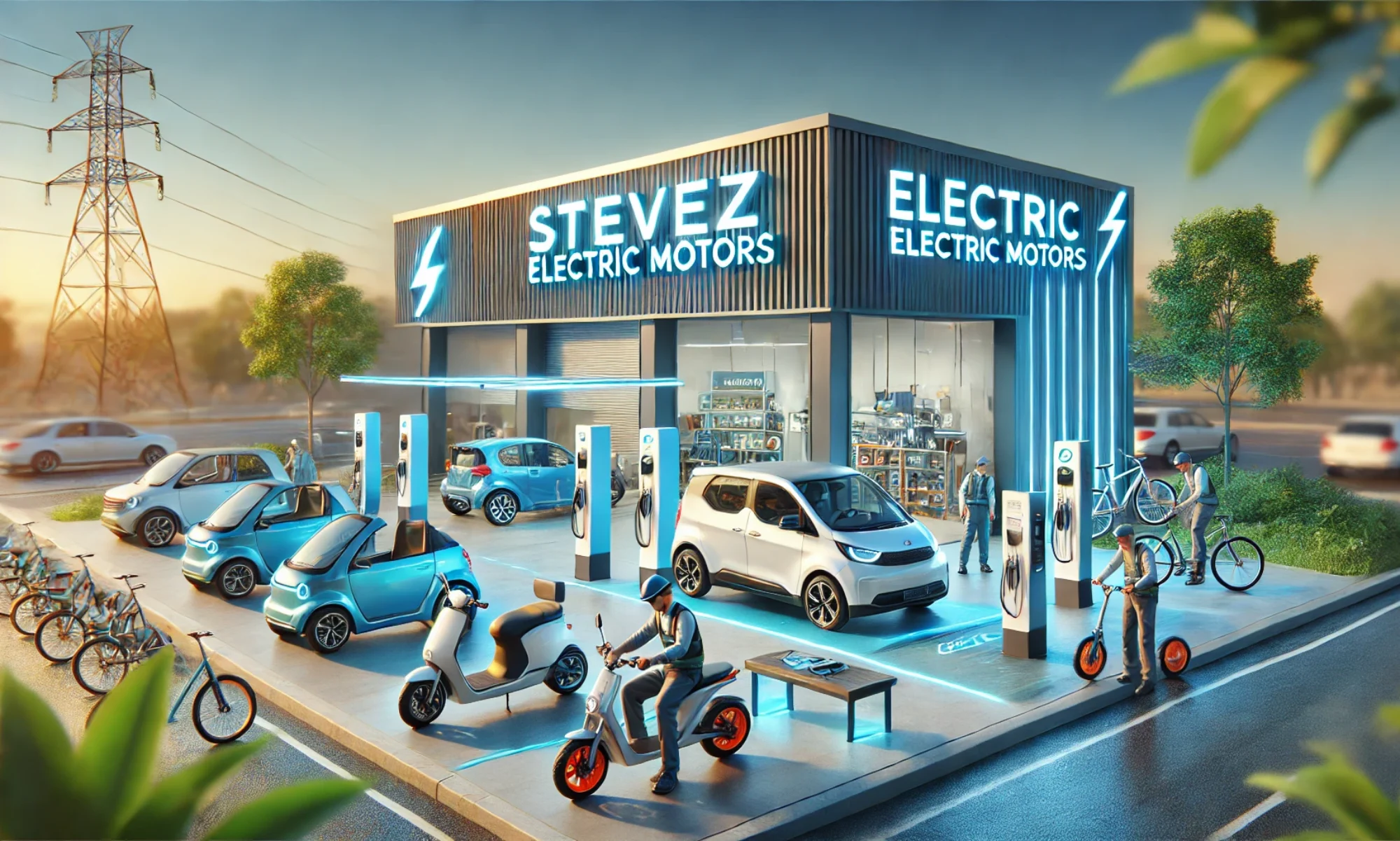
- Resilient Futures: Global Developments & Energy Sector News Drive a New Era of Progress.
- The Rise of Renewable Energy Technologies
- Geopolitical Factors Influencing the Energy Market
- The Impact of Global Conflicts
- Advancements in Energy Storage and Grid Modernization
- The Role of Technological Innovation
Resilient Futures: Global Developments & Energy Sector News Drive a New Era of Progress.
The global landscape is undergoing a significant transformation, driven by advancements in technology, shifting geopolitical dynamics, and an increasing focus on sustainability. These multifaceted changes are impacting various sectors, with the energy sector at the forefront of this evolution. Recent developments and a surge in related information are reshaping traditional models and creating new opportunities for innovation and growth. This constant flow of insights, combined with critical updates, necessitates a comprehensive understanding of the forces shaping our future. The dynamics being considered are affecting the world as a whole and prompting the need for resilience and adaptability, considering that a reliable source of news is critical.
The interconnectedness of global markets means that disruptions in one region can have ripple effects worldwide. The energy sector, in particular, is facing unprecedented challenges and opportunities. From the transition to renewable energy sources to the increasing demand for energy storage solutions, there is a continuous stream of developments demanding attention and analysis. Understanding these trends is vital for businesses, policymakers, and individuals alike as they navigate this rapidly changing world.
The Rise of Renewable Energy Technologies
The demand for renewable energy sources such as solar, wind, and hydro power is continually increasing, driven by environmental concerns and the need for energy independence. Technological advancements have made these sources more efficient and cost-competitive, making them viable alternatives to traditional fossil fuels. Investment in research and development is accelerating the pace of innovation, leading to breakthroughs in energy storage and grid integration.
The integration of these technologies is not without its challenges, however. Intermittency, the fluctuation in output from renewable sources, requires robust energy storage solutions and smart grid technologies to ensure a reliable power supply. Furthermore, the development of necessary infrastructure, such as transmission lines and charging stations, requires significant investment and careful planning.
| Solar | 1045 | 18.2% |
| Wind | 850 | 12.5% |
| Hydro | 1171 | 2.8% |
| Geothermal | 16 | 3.1% |
Geopolitical Factors Influencing the Energy Market
Geopolitical events play a crucial role in shaping the energy market, influencing prices, supply chains, and investment decisions. Political instability in key energy-producing regions can disrupt supply, leading to price volatility and economic uncertainty. International relations and trade agreements also have a significant impact, determining access to resources and shaping energy policies.
The growing focus on energy security is driving countries to diversify their energy sources and reduce their dependence on single suppliers. This trend is leading to increased investment in domestic energy production and the development of regional energy markets. Furthermore, the rise of new energy powers is shifting the balance of power and creating new geopolitical dynamics.
The Impact of Global Conflicts
Ongoing geopolitical tensions and conflicts can severely disrupt energy supplies, creating shortages and driving up prices. Conflicts in traditional oil and gas-producing regions directly impact global energy markets, potentially triggering wider economic repercussions. The interruption of supply routes, destruction of infrastructure, and imposition of sanctions can all contribute to energy insecurity and price spikes. Consequently, this leads to the increased need for alternative energy sources and diversification of supply chains.
These events also underscore the importance of international cooperation in managing energy resources and ensuring access to affordable and reliable energy for all. The formation of strategic partnerships and the development of robust emergency response plans are crucial for mitigating against the risks posed by geopolitical instability. Furthermore, investment in renewable energy technologies can reduce dependence on volatile fossil fuel markets and enhance energy independence.
Advancements in Energy Storage and Grid Modernization
Effective energy storage is critical for integrating renewable energy sources into the grid and ensuring a reliable power supply. Batteries, including lithium-ion and flow batteries, are becoming increasingly cost-effective and are being deployed for both grid-scale storage and residential applications. Pumped hydro storage and compressed air energy storage are also mature technologies with significant potential.
Grid modernization is equally important, involving the deployment of smart grid technologies that enhance grid management, improve efficiency, and enable two-way communication between utilities and consumers. These technologies include advanced metering infrastructure, distributed generation control systems, and real-time monitoring and control systems.
- Enhanced Grid Stability: Smart grids improve grid stability by dynamically balancing supply and demand.
- Reduced Energy Waste: Improved energy efficiency reduces waste and lowers energy costs.
- Increased Renewable Integration: Facilitates the integration of intermittent renewable energy sources.
- Consumer Empowerment: Provides consumers with more control over their energy usage.
The Role of Technological Innovation
Technological innovation is continuously reshaping the energy sector, driving down costs, improving efficiency, and unlocking new possibilities. Advancements in materials science, nanotechnology, and artificial intelligence are leading to breakthroughs in solar cell technology, battery performance, and grid optimization. Digitalization plays a vital part, enabling real-time monitoring of energy usage and offering predictive maintenance solutions for energy infrastructure.
Furthermore, the development of new energy technologies, such as hydrogen fuel cells and carbon capture utilization and storage (CCUS), holds significant promise for addressing climate change and transitioning to a sustainable energy future. Continued investment in research and development is crucial for accelerating the pace of innovation and bringing these technologies to market.
- Artificial Intelligence (AI): AI algorithms are being used to optimize energy production, distribution, and consumption.
- Blockchain Technology: Facilitates secure and transparent energy transactions.
- Advanced Materials: Development of new materials is enhancing the performance of batteries and solar cells.
- Internet of Things (IoT): Enables real-time monitoring and control of energy systems.
The ongoing interplay between technological advances, geopolitical considerations, and a growing emphasis on sustainability is forging a new path for the energy sector and, by extension, the world. Navigating this complex landscape requires a commitment to innovation, collaboration, and strategic planning.
The push for energy transformation highlights the need for well-informed discussions based on credible sources and timely information. This dynamic environment necessitates proactive strategies, adaptable regulations, and a collaborative spirit among governments, industries, and consumers to ensure a resilient and sustainable energy future for generations to come.