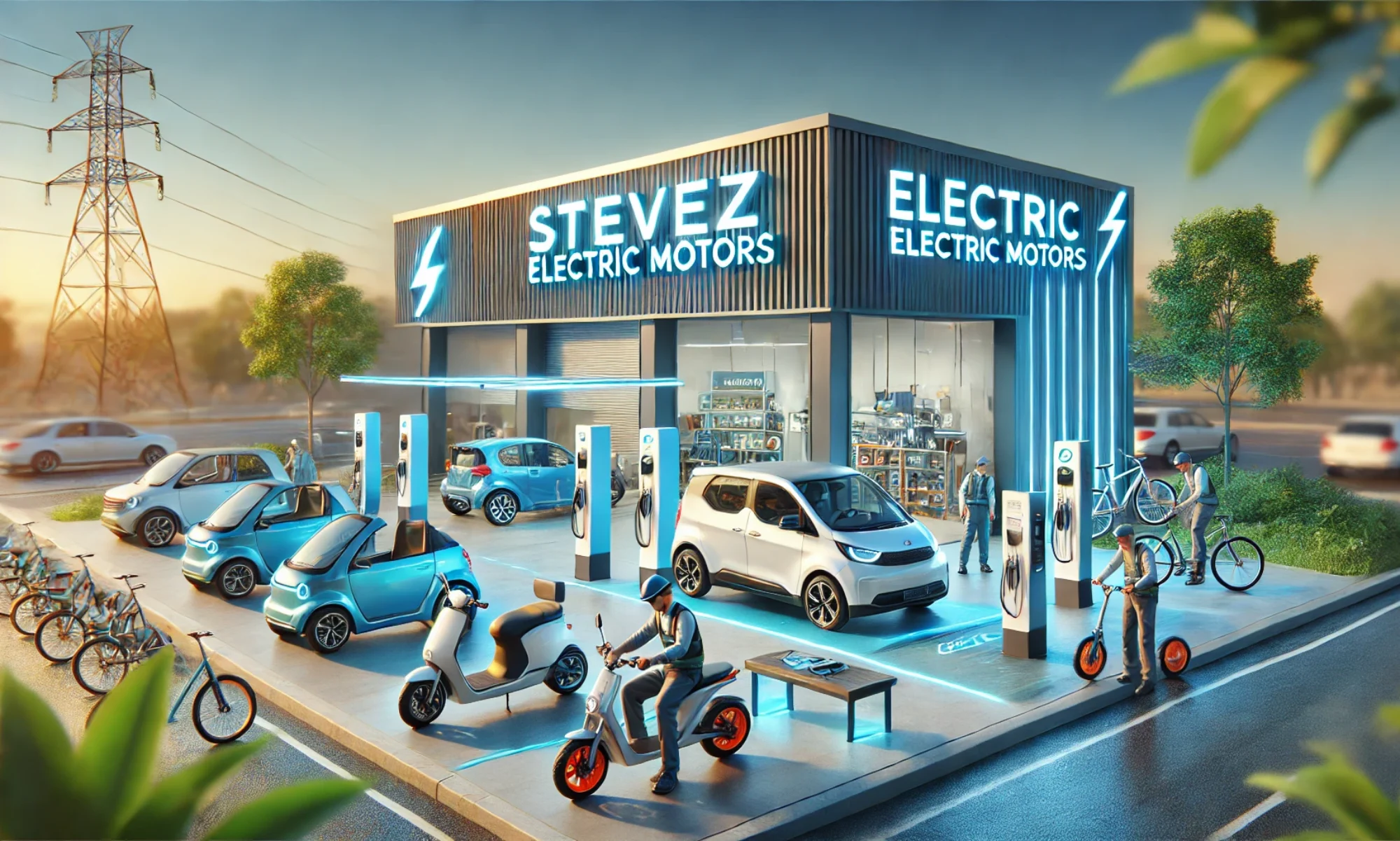
Micro transport solutions are revolutionizing urban mobility, offering a swift and sustainable answer to the first-mile, last-mile challenge. By integrating these agile options into our daily routines, we can dramatically reduce congestion and build cleaner, more efficient cities for everyone.
What Are Micro-Mobility Options?
Micro-mobility options encompass a class of lightweight, typically low-speed transportation vehicles designed for short-distance trips. This category primarily includes shared and privately-owned electric scooters, electric bikes, and traditional bicycles, often accessed via smartphone apps. These solutions fill a crucial gap in the urban transportation network, effectively bridging the «last mile» between public transit stops and a user’s final destination.
By providing a convenient and sustainable alternative to private car use for short trips, micro-mobility is fundamentally reshaping urban landscapes and reducing traffic congestion.
The successful integration of these
sustainable transportation
options relies on robust city infrastructure, such as dedicated bike lanes, and clear regulatory frameworks to ensure safety and order for all road users.
Defining the Modern Micro-Vehicle
As city streets grow ever more congestated, a quiet revolution in urban transportation is unfolding. This is the world of micro-mobility options, a category of lightweight, typically low-speed vehicles designed for short-distance personal travel. Imagine weaving through traffic on a shared electric scooter, enjoying a leisurely bike ride from the train station to your office, or effortlessly gliding on an electric skateboard. These personal transportation devices are transforming first and last-mile connections, offering a flexible and often enjoyable alternative to being stuck in a car. They represent a fundamental shift towards more sustainable urban mobility, reducing both traffic congestion and our carbon footprint one short trip at a time.
Key Categories: E-Scooters, E-Bikes, and Beyond
Micro-mobility options are small, lightweight vehicles designed for short-distance urban travel, typically accessed through a convenient rental service. This rapidly evolving transportation sector includes a variety of personal devices such as electric scooters and electric bicycles, alongside traditional human-powered choices like standard bicycles and skateboards. These solutions effectively bridge the crucial «last-mile» gap between public transit stops and a user’s final destination.
By reducing reliance on private cars for short trips, they directly combat urban congestion and lower carbon emissions.
The adoption of these sustainable urban transport solutions is revolutionizing city landscapes, making daily commutes faster, cheaper, and more environmentally friendly for millions.
Shared versus Privately Owned Models
Imagine zipping past traffic on your way to the train, the breeze in your hair, without the hassle of parking. This is the promise of urban transportation solutions known as micro-mobility. These are small, lightweight vehicles, often electric, designed for short, individual trips. The scene is increasingly common: a city worker grabs an e-scooter left by a previous user, a student pedals a shared bike to campus, and a commuter glides on an e-skateboard for the last mile home. These convenient options are weaving themselves into the fabric of city life, offering a nimble alternative to cars.
The Technology Powering Personal Transport
The technology powering personal transport is undergoing a revolutionary transformation, shifting from simple mechanical systems to sophisticated digital ecosystems. Modern vehicles are essentially data centers on wheels, integrating advanced sensors, powerful AI, and robust connectivity. This enables everything from real-time navigation and predictive maintenance to the rapid development of autonomous driving systems. The core of this evolution is a relentless drive toward greater safety, efficiency, and a seamless user experience, fundamentally redefining our relationship with mobility.
Battery and Powertrain Innovations
The technology powering personal transport is undergoing a profound shift, moving from internal combustion engines to intelligent, connected systems. Modern electric vehicles (EVs) are at the forefront of this sustainable mobility revolution, leveraging high-density battery packs and regenerative braking for greater efficiency. This is complemented by a suite of advanced driver-assistance systems (ADAS), including LiDAR and computer vision, which process real-time data to enhance safety and pave the way for autonomous driving. The integration of these technologies creates a smarter, more responsive driving experience.
**Q: What is the most important technology for the future of personal transport?**
**A:** The synergy between electric powertrains and autonomous driving software is critical; one provides the clean energy, while the other enables unprecedented safety and efficiency.
The Role of IoT and Connectivity
The gentle hum of your electric vehicle is the sound of a revolution. Beneath its sleek exterior lies a sophisticated ecosystem of innovation. High-density lithium-ion batteries provide the silent, emission-free power, while regenerative braking captures lost energy with every stop. Advanced driver-assistance systems use a network of sensors and cameras to create a safety cocoon, scanning the road for hazards you might miss. This convergence of electrification, connectivity, and automation is redefining our journey, paving the way for a smarter, cleaner future of personal mobility and transforming the daily commute into a seamless experience.
Geofencing and Smart Parking Systems
The technology powering personal transport is rapidly evolving beyond the internal combustion engine, creating a new era of **sustainable mobility solutions**. Modern vehicles are sophisticated computers on wheels, integrating advanced battery chemistries for greater range, powerful electric motors for instant torque, and complex sensor suites for driver-assistance features. This convergence of hardware and software is fundamentally reshaping how we navigate our world. Key developments include the proliferation of electric vehicles (EVs), the refinement of advanced driver-assistance systems (ADAS) as a stepping stone to full autonomy, and connectivity that turns vehicles into data-rich nodes on the Internet of Things.
Urban Impact and City Integration
Urban Impact explores the profound effects of dense human habitation on the environment, economy, and social fabric. True progress lies in seamless city integration, where new developments are woven into the existing urban tapestry rather than simply added on. This dynamic process involves retrofitting infrastructure, creating multi-modal transit hubs, and ensuring mixed-use zoning to foster vibrant, 24-hour communities. The ultimate goal is a resilient metropolis where growth and heritage coexist, enhancing the quality of life for all residents through thoughtful, sustainable urban planning.
Alleviating Traffic Congestion and Car Dependency
The city is a living entity, constantly evolving. Urban Impact and City Integration represent the critical dialogue between new developments and the established urban fabric. A new high-rise isn’t just a building; its shadow, traffic patterns, and very presence reshape the neighborhood’s soul. True success in sustainable urban development is achieved when these projects weave themselves into the existing tapestry, enhancing public spaces and community life rather than overshadowing it. This thoughtful fusion ensures the city grows not just taller, but smarter and more connected for everyone.
Policy and Regulatory Frameworks

The success of any urban development project hinges on its seamless urban impact and city integration. This goes beyond mere construction, requiring a holistic approach that weaves new infrastructure, housing, and commercial spaces into the existing urban fabric. True sustainable urban planning enhances public transit connectivity, preserves community character, and creates multi-use districts that serve residents day and night. A well-integrated project should feel as if it has always belonged. This foresight mitigates negative consequences like increased traffic or strained public services, ensuring new developments become vital, contributing parts of the city for generations.
Designing Infrastructure for Small Vehicles
The city breathes, a living organism where new developments must become part of its very skeleton. Urban Impact is measured not just in steel and glass, but in how a structure weaves into the existing urban fabric, mending tears and creating new connective tissue for communities. This philosophy of **sustainable urban development** ensures that growth enriches rather than encroaches, transforming isolated plots into vibrant, integrated neighborhoods. It is the art of making the new feel as though it has always belonged. A successful project turns its face to the street, inviting the public in with plazas and pathways that stitch the city back together, block by block.
Environmental and Economic Benefits

The transition to a green economy unlocks profound environmental and economic advantages. By prioritizing renewable energy and circular principles, we drastically cut greenhouse gas emissions and conserve natural resources. This shift is not just an ecological imperative but a powerful economic driver, fostering innovation and creating resilient, high-quality jobs in new sectors. Investing in sustainability mitigates climate risks and builds long-term competitive advantage, proving that ecological health and economic prosperity are mutually reinforcing goals for a secure future.

Reducing Carbon Emissions and Air Pollution
The transition to a green economy unlocks powerful sustainable development goals, creating a virtuous cycle of environmental and economic prosperity. By investing in renewable energy and circular systems, we slash harmful emissions and foster remarkable innovation. This shift isn’t just about conservation; it’s a dynamic engine for job creation in new industries, enhancing energy independence and long-term stability.
This proactive approach future-proofs our economies against resource scarcity and climate volatility.

Ultimately, protecting our planet and fueling economic growth are not mutually exclusive but fundamentally intertwined pursuits for a resilient future.

Cost-Effectiveness for Consumers
The shift towards a circular economy is weaving a new story of prosperity, one where environmental and economic health are intertwined. By viewing waste as a resource, we unlock powerful benefits. This approach reduces pollution and conserves precious raw materials, healing our planet. Simultaneously, it drives down operational costs for businesses and sparks innovation in green technology, creating a resilient and sustainable economic model. The true victory lies in this powerful synergy, proving that a thriving economy does not have to come at the environment’s expense.
Creating New Business and Job Opportunities
The transition to a green economy unlocks profound environmental and economic benefits, creating a powerful positive feedback loop. By investing in renewable energy and sustainable practices, we drastically cut greenhouse gas emissions and conserve precious natural resources. This environmental stewardship simultaneously fuels economic growth by generating high-quality jobs in emerging sectors, enhancing energy security, and fostering innovation. This synergy demonstrates that true prosperity no longer requires sacrificing ecological health for financial gain, paving the way for a resilient and equitable future. This integrated approach is the cornerstone of successful sustainable development goals.
Challenges and Safety Considerations
Navigating the world of language models comes with its own set of hurdles and safety nets. One of the biggest challenges is ensuring these models don’t generate biased or factually incorrect information, as they learn from vast amounts of internet data. On the safety front, a major priority is responsible AI development to prevent misuse, like creating malicious content or spreading misinformation. It’s a constant balancing act to make these powerful tools both helpful and harmless, which is why ongoing research into AI safety and alignment is so critical for everyone’s benefit.
Addressing Public Safety and Accident Rates
Navigating the complex landscape of modern challenges requires a proactive and dynamic approach to risk management. From cyber threats targeting critical infrastructure to physical hazards in industrial settings, organizations must implement robust safety protocols. A comprehensive risk assessment is the cornerstone of any effective strategy, enabling the identification of vulnerabilities before they escalate into crises. This continuous process of evaluation and adaptation is crucial for protecting assets, ensuring operational continuity, and safeguarding personnel in an ever-evolving threat environment.
Vandalism, Theft, and Vehicle Durability

Navigating the complex landscape of modern operations presents significant challenges, from rapidly evolving technological demands to stringent regulatory compliance. A primary safety consideration is the implementation of a robust risk management framework to proactively identify and mitigate potential hazards before they escalate. This proactive approach is fundamental to operational resilience, ensuring not only the protection of personnel and assets but also the safeguarding of vital data security protocols. Adopting these comprehensive safety measures is non-negotiable for achieving sustainable business growth and maintaining a competitive edge in today’s dynamic environment.
Ensuring Equitable Access Across Communities
Navigating the challenges and safety considerations of any complex project requires a proactive mindset. The primary hurdles often involve managing unforeseen technical difficulties, staying within budget, and ensuring all team members are aligned. From a safety perspective, a thorough risk assessment is non-negotiable. This means identifying potential hazards, from physical dangers on a worksite to data security threats in an office, and implementing clear protocols to mitigate them. Proper training and having the right emergency procedures in place are fundamental for creating a secure environment for everyone involved. This diligent approach to project risk management is what separates successful endeavors from risky ones.
The Future of Last-Mile Travel
The future of last-mile travel hinges on integrating lightweight, intelligent vehicles into a seamless multi-modal ecosystem. We will see a proliferation of micro-mobility solutions, from e-scooters to e-bikes, connected via AI-powered platforms that blinkee.city optimize routes and availability. This shift addresses urban congestion and emissions directly. Success depends on robust public-private partnerships and infrastructure, like dedicated lanes and smart charging points, creating a cohesive network. Ultimately, the winning strategy is a user-centric, digitally-managed system that prioritizes convenience and sustainability, making the final leg of a journey as efficient as the rest.
Emerging Trends and Vehicle Designs
The future of last-mile travel is buzzing with electric, connected options designed to bridge that final gap in your journey. We’re moving beyond simple scooters to a dynamic ecosystem of **sustainable urban mobility solutions**. Imagine compact, autonomous shuttles syncing with bus arrivals, e-bikes that fold into your trunk, and smart pavements that guide you. The goal is to make getting from the station to your doorstep seamless, affordable, and even fun. This shift promises to reduce traffic and create cleaner, less congested city centers for everyone.
Integration with Public Transit Networks
The morning commute is changing. The future of last-mile travel isn’t about a single vehicle, but a seamlessly integrated urban mobility ecosystem. Imagine stepping off the train and your phone suggests the nearest e-scooter, a shared autonomous pod, or a bike-share station, all billed through a single app. This shift solves the final leg of the journey, reducing congestion and transforming our cityscapes.
The true breakthrough lies not in the technology itself, but in the invisible digital layer that connects it all.
We are moving towards quieter, cleaner streets where convenience and sustainability are no longer a choice, but the foundation of how we move.
The Path Towards Autonomous Micro-Transport
The future of last-mile travel is all about bridging that final gap from the transit stop to your front door with smart, electric, and personal options. We’re moving beyond cars towards a vibrant ecosystem of sustainable urban mobility solutions. Imagine hopping off a train and seamlessly grabbing a shared e-scooter, unfolding a compact e-bike, or even hailing an autonomous pod. This shift promises cleaner air, less congestion, and a far more flexible and enjoyable commute for everyone.