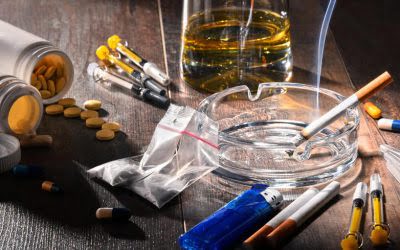
Halfway houses have been shown to reduce outside triggers that can lead to relapse and to provide peer support. Furthermore, structured halfway houses have been shown to teach residents accountability for their actions and choices, ultimately and effectively leading to a maintained sober life. Halfway houses provide substance-free residences for those in recovery from alcohol and substance abuse. They often offer life-skills education and job training for those who have completed a treatment program or have recently been incarcerated and received treatment. The challenges faced by halfway houses in the U.S. include financial constraints, staffing shortages, societal stigma, and the difficulty of balancing safety with rehabilitation. Many facilities struggle to meet the growing demand for transitional housing while maintaining effective support systems.
Halfway Houses vs. Sober Living Homes
Some halfway houses require residents to pass a drug screening and/or breathalyzer test, as they’re not equipped to deal withwithdrawal symptoms ordelirium tremens. Halfway houses are ideal for people who’ve already gone throughmedical detoxand have completed aninpatient or outpatient treatment program. Positive Transition Services provides supportive care for people recovering from addiction.
What professional/medical staff work at Isaiah House?

Halfway houses offer healthy social Oxford House interaction with people who understand your needs and the challenges of sober living. They offer a middle step for people who are committed to being sober but aren’t ready to live independently. Depending on your needs, you can live in a halfway house for a few weeks or months. Our state-specific resource guides offer a comprehensive overview of drug and alcohol addiction treatment options available in your area.
The Recovery Village at Palmer Lake
Simply fill out the form below for an instant, confidential insurance verification. Take the first step toward recovery with peace of mind, knowing exactly what your plan covers. Calls to numbers on a specific treatment center listing will be routed to that treatment center. ✓ 100% editorially independent with no provider affiliations Your needs, not outside interests, drive every recommendation. Our halfway house board-certified addiction specialists evaluate every center using 5 clinical criteria most sites ignore.

If a person comes from a correctional facility, they can be court-mandated to live in a halfway house for a predetermined amount of time. Because of this, halfway houses can be used by the homeless or people coming out of incarceration. Most halfway houses have rules to follow and help residents set boundaries. Sober living homes are not for everyone, but if you think it might be right for you or a loved one, reach out to your doctor or therapist to see if they’re able to recommend one for you. If you attend12-stepor other recovery meetings, you can ask other members of your group for recommendations as well. If you still haven’t been able to get recommendations, do a quick Google search to read reviews and find halfway houses in your area.
Visitation policies encourage healthy family connections while maintaining the focus on recovery. As a halfway house resident, you can expect to follow a number of halfway house rules — a primary one being that of sobriety. Drugs and alcohol will be strictly prohibited and random drug testing will occur in order to ensure compliance. You will need to take the necessary steps toward recovery from your previous drug or alcohol addiction(s). Participation in group therapy and/or https://ecosoberhouse.com/ AA meetings or NA meetings might be expected of you.
- Halfway houses provide more freedom to residents than inpatient treatment programs.
- When someone relapses in a halfway house, they face consequences based on house policies, which include immediate eviction, increased supervision, or referral to a higher level of care.
- The rules facilitate the continued success in your recovery, so it’s vital — and in the best interest of your sobriety — to follow them.
- It should not be used in place of the advice of your physician or other qualified healthcare provider.
You can also browse our comprehensive list of addiction treatments by state by visiting our homepage. Don’t hesitate to reach out by calling our helpline or filling out our contact form if you need help finding the right rehab center or detox program. However, if you believe you have a medical emergency, you should immediately call 911.
The National Institute on Drug Abuse (NIDA) states that relapse is common in recovery, with rates ranging from 40% to 60%, emphasizing the importance of structured support to prevent future substance use. A sober living home is a structured, transitional living facility for recovering addicts or alcoholics who are reintegrating into society. Also known as a halfway house, sober living facility, or transitional home, it is not meant to be a permanent accommodation. A resident in a sober home can typically stay for as little as a few months and as much as a couple of years. The time frame for residency depends on the facility in question and on the resident’s circumstances and behavior. The structured nature of a sober home involves a number of rules that must be followed, including abstention from drugs and alcohol (drug tests are given), chores, a curfew, and any number of other directives.
Committed to Sobriety
It offers residents a certain level of freedom, but that freedom is not absolute. They typically differ from halfway home to halfway home, but there are some common rules that apply no matter which transitional home you are in. Violence and theft are not allowed or tolerated, and in keeping with the general purpose of a halfway house / sober living facility, drugs and alcohol are strictly prohibited. Assigned house chores will have to be completed and a curfew will be imposed. A halfway house is a structured, transitional housing for people recovering from addiction or recently released from incarceration.
What professional/medical staff work at Dismas Charities Inc. – Macon, Georgia?
- Structured schedules ensure that residents engage in daily responsibilities, counseling sessions, and employment or educational pursuits, helping them regain independence in a supportive environment.
- Halfway houses have been shown to reduce outside triggers that can lead to relapse and to provide peer support.
- Services include random drug testing, guidance, and referrals to community resources to promote stability and sobriety.
- Many facilities struggle to meet the growing demand for transitional housing while maintaining effective support systems.
The cost of halfway houses ranges from $500 to $2,500 per month, depending on location, amenities, and services provided. The cost structure varies based on residence duration, house policies, and individual financial resources. Halfway houses manage security and safety for residents through strict supervision, drug testing, and house rules that reinforce accountability. Staff members monitor residents, conduct regular substance screenings, and enforce curfews to maintain a substance-free environment. Security measures include visitor screenings, restricted entry policies, and emergency response protocols to protect residents from external risks.
What Are The Benefits Of A Halfway House?
By staying engaged and intentional with your time, you can prevent relapse and support your overall emotional and physical well-being.A daily schedule also reinforces accountability and purpose. Whether it’s through work, volunteering, exercise, or hobbies, filling your day with meaningful activities creates balance and reduces the likelihood of slipping back into old patterns. Over time, structure builds confidence and provides a strong foundation for lasting recovery. The purpose of a halfway house is to help individuals transition over into a more permanent and independent living situation — i.e., to make their way out and into the real world. While it depends on the particular resident and halfway house, a person can typically stay for up to a year or two (sometimes more) as long as they remain sober and abide by all of the halfway house rules. Consistent steps toward recovery will be expected since, again, a halfway house is transitional in nature.